
Weapons
Seven confirmed weapon categories in Castlevania: Belmont's Curse, from the holy Vampire Killer whip to hidden arms — comparison guides, move-set breakdowns and the best pick for every boss.
Introduction
Belmont's Curse arms Rose Belmont with the single most famous weapon in Castlevania history — the holy whip Vampire Killer — and then, unusually for the series, lets her carry much more. Seven distinct weapon categories are confirmed for the game, discovered through exploration rather than handed over in a fixed order, and each category appears to trade handling traits against the whip's reach and traversal perks. Weapons also interlock with the other two build layers: Arcana cards contribute spells and special actions, while offensive and defensive Relics round out a loadout. This category is the hub for the confirmed arsenal facts, category-by-category comparison guides, and — after the October 15, 2026 launch — move-set breakdowns and per-boss weapon recommendations built on tested numbers instead of pre-release guesses.
Confirmed Arsenal Facts
| Element | Status | What Is Confirmed |
|---|---|---|
| Vampire Killer | Signature | Holy whip for offense and trapeze-style traversal |
| Seven Categories | Confirmed | Weapons span seven distinct categories found through exploration |
| Arcana Combos | System | Mix weapon families with Arcana spells for layered offense |
| Gear & Key Items | Exploration | Upgrades and key items unlock deeper map regions |
Arsenal Field Notes
The Vampire Killer
The Belmont holy whip — weapon and grappling line in one
The Seven Categories
A wider arsenal than most classic Castlevanias ever offered
Weapon + Arcana Combos
Layered offense mixes weapon families with sealed spells
Gear Upgrades & Key Items
The unlock chain that opens deeper Paris and castle regions
Core Mechanics
Weapon handling in Belmont's Curse rests on confirmed structure rather than revealed numbers. The Vampire Killer is the constant: a holy whip that attacks and traverses, with swing momentum and aerial repositioning built into the game's core vocabulary. Around it sit seven weapon categories — confirmed as a number, unconfirmed as a list — that Rose discovers through exploration, which converts weapon acquisition itself into a map-progression reward loop. The third confirmed piece is interlock: the official description explicitly says to mix weapon families with Arcana spells for layered offense, and to pair loadouts with offensive and defensive Relics. What nobody can honestly document yet is per-weapon damage, reach values, swing speeds, or which category counters which boss — none of that data exists before launch. The comparison guides in this category therefore open with framework analysis: what each confirmed element contributes to a build, how the three layers (weapon, Arcana, Relic) trade against each other, and which questions our launch-week testing will answer first.
Advantages
Seven weapon categories is a genuinely generous arsenal for a 2D action game, and the design context makes it more interesting than the number alone. Classic Castlevanias mostly committed you to the whip with sub-weapons as seasoning; Belmont's Curse instead promises category-level variety discovered through exploration, which means the game can reward curiosity with a genuinely different handling feel, not just a damage bump. The interlock design multiplies that value: because weapons mix with Arcana spells and Relics for layered offense, a new weapon is not a sidegrade to evaluate in isolation but a new entry point into your whole build. Exploration-driven discovery also fits the city-and-castle structure — seven categories scattered across a non-linear Paris gives the map real treasure density, and every backtracking loop has a plausible payoff. For players who loved experimenting across Dead Cells-style runs, this is the feature most likely to make Belmont's Curse feel like a modern game wearing series heritage.
Challenges
The weapons story comes with real blind spots that pre-launch coverage must respect. The biggest: seven categories are confirmed, but zero category names are — no guide can honestly tell you whether the lineup includes axes, spears, or something entirely new, so every current 'weapon list' on the internet is invented. Balance data does not exist: damage, reach, speed, and combo properties are all unknown, which makes any tier ranking premature by definition. The whip's exact role relative to the other categories is also undefined — official materials frame the Vampire Killer as signature and traversal-critical, but whether endgame builds will favor it or treat it as a movement tool with combat attached is an open design question that only launch play can settle. Finally, upgrade mechanics are unconfirmed: whether gear upgrades modify specific weapons or your overall loadout, and whether key items are consumed or permanent, changes how you plan routes. This category keeps every unverified claim out until tested data replaces it.
Frequently Asked Questions
What weapons are in Castlevania: Belmont's Curse?+
Is the Vampire Killer the best weapon?+
How do weapons interact with Arcana cards?+
Do weapon upgrades gate map progress?+
Quick Tips
Treat the whip as your movement kit first and your weapon second. Even after you collect other categories, the Vampire Killer's trapeze swings remain the cleanest answer to aerial repositioning, gap crossings, and boss fight spacing. Players who fight the movement system by sticking to one new weapon category usually hit walls that are really skill walls — spend the early game building swing confidence and every later weapon feels better.
When a new weapon category drops, rebuild around it before judging it. Because weapons mix with Arcana spells and Relics, a category that feels weak next to your current deck might simply be tuned for a different card pairing. Swap the relevant Arcana, test the weapon against a cleared boss or a save-room dummy equivalent, and only then decide whether it earns main-hand status — first impressions in a layered build system are notoriously misleading.
Cross-reference unlock hunting with map planning. Gear upgrades and key items gate deeper regions, so a efficient route reads both categories together: find which districts the next upgrade plausibly opens, and combine that with the Arcana rewards on your boss list. This category's comparison pages and the maps-locations guides are written to be read side by side for exactly that purpose.
Featured

Castlevania: Belmont's Curse Weapon Tier List: Best to Worst
Rank the Castlevania: Belmont's Curse weapon tier list from best to worst, weighing Vampire Killer upgrades, early unlocks, and late-game power spikes.
Castlevania: Belmont's Curse Weapons: All Seven Families Compared
Browse every weapon in Castlevania: Belmont's Curse across all seven categories, from swords to whips, with stats, locations, and how each fits Rose's playstyle.
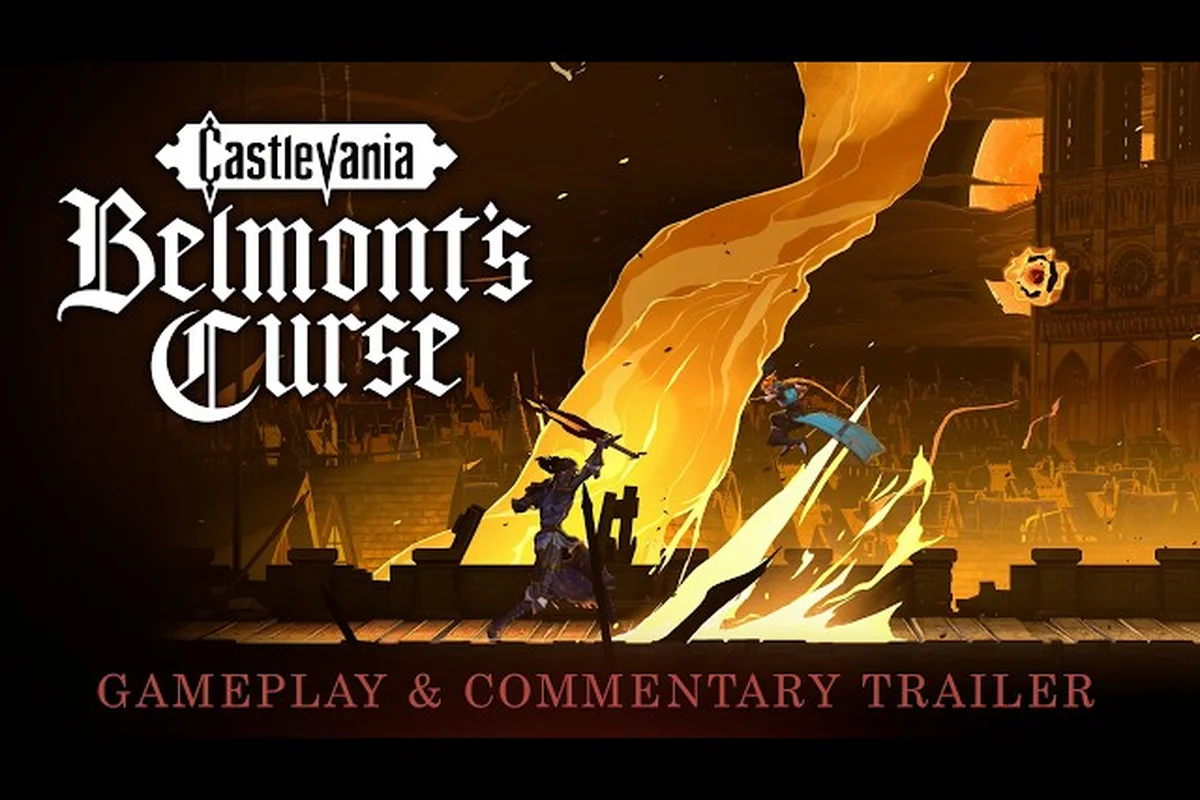
Castlevania: Belmont's Curse Holy Water: Subweapon Picks
Break down Castlevania: Belmont's Curse holy water splash damage and unlock location, then compare axe throw reach and dagger speed for boss matchups.
All Articles
Castlevania: Belmont's Curse Spear Weapons: Range, Reach & Builds
Explore Castlevania: Belmont's Curse spear weapons beyond the Vampire Killer, with reach comparisons, loadout customization, and whip-versus-spear matchups.
Castlevania: Belmont's Curse Weapon Swap: Builds & Best Drops
Master Castlevania: Belmont's Curse weapon swap tactics, enemy drop tables, and boss-favored sword builds that keep Rose Belmont ready for any fight.
Castlevania: Belmont's Curse Hidden Weapons & Legendary Locations
Track down Castlevania: Belmont's Curse hidden weapons and legendary gear, with mastery skills, ranged and melee unlocks, and the secret spots hiding them.
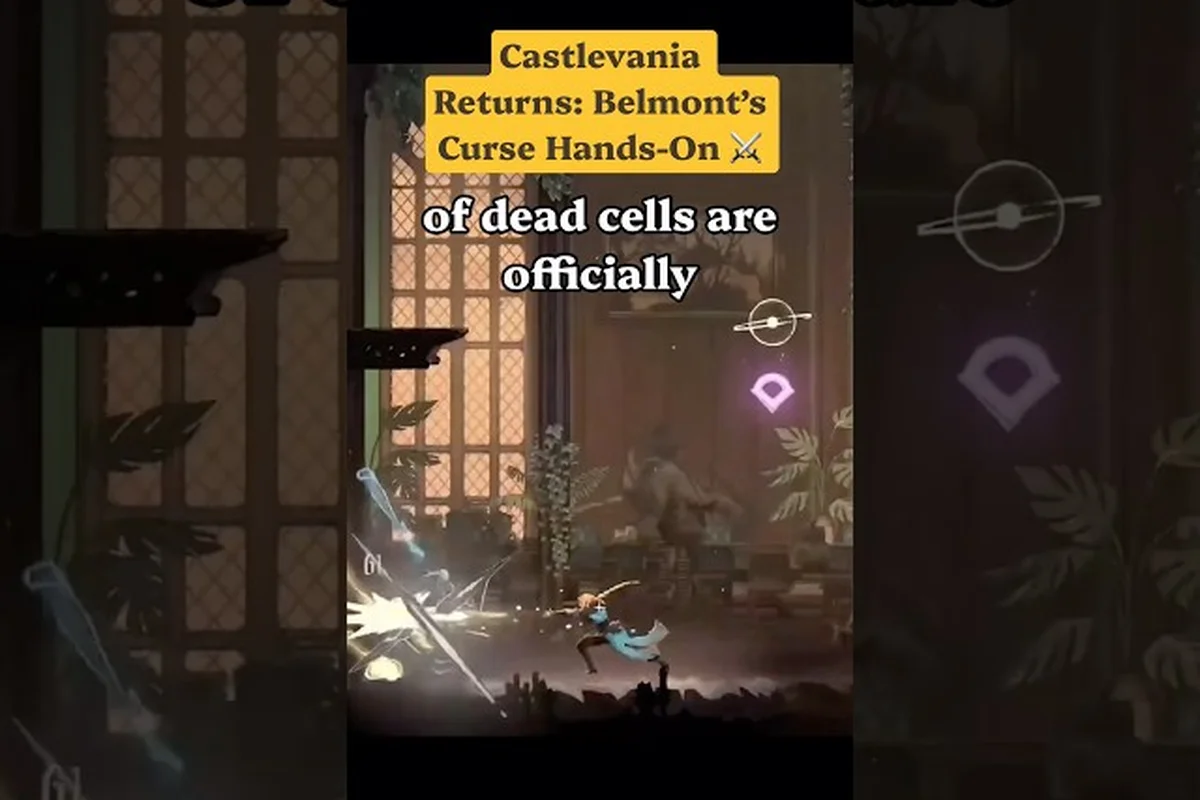
Castlevania: Belmont's Curse Whip Upgrade: Vampire Killer Mastery
Upgrade Castlevania: Belmont's Curse Vampire Killer whip with combo paths, trapeze swing tricks, and subweapon pairings like cross boomerang for peak mastery.