Arcana Cards
The signature tarot system of Belmont's Curse explained: every boss you defeat is sealed into Rose's deck as an Arcana card granting spells and unique special actions. Full card list and synergy builds.
Introduction
Arcana is the signature system of Castlevania: Belmont's Curse and the clearest sign that this is a Castlevania built for 2026 rather than a nostalgia replay. Every boss Rose Belmont defeats is sealed into her mysterious tarot deck as an Arcana card, and each sealed card grants new spells plus unique special actions layered on top of the Vampire Killer's whip moves. The result is a progression model where your deck becomes a record of every fight you have won and a toolkit you compose your own build from — combine Arcana with the seven weapon categories and offensive or defensive Relics to reach a playstyle nobody else's Paris run will quite match. This category explains the seal-to-cast loop, catalogues confirmed card behavior, and prepares build-synergy analysis that will expand with real numbers after the October 15, 2026 launch.
The Arcana Loop: Seal, Cast, Act, Build
| Stage | What Happens | Why It Matters |
|---|---|---|
| Seal | Defeat a boss to seal its power into one of Rose's tarot cards | Permanent progression after every major fight |
| Cast | Channel sealed Arcana to cast boss-derived spells in combat | Burst damage between whip combos |
| Act | Each Arcana grants a unique special action beyond normal whip attacks | Movement and utility that reshape traversal |
| Build | Combine Arcana with weapons and Relics for personalized playstyles | Late-game optimization and challenge runs |
Arcana Deck Stages
Seal
Every defeated boss becomes a tarot card in Rose's deck
Cast
Boss-derived spells channel the power you sealed
Special Actions
Unique actions that change how you move through Paris
Builds
Cards, weapons, and Relics compose into personal playstyles
Core Mechanics
The Arcana system runs on a single confirmed loop with three confirmed outputs. The loop: defeat a boss, its power is sealed into Rose's tarot deck. The outputs: spells you cast in combat, unique special actions that extend movement and utility, and build options that combine with weapons and Relics. What makes this more than a skill tree is provenance — every card remembers the boss it came from, so the deck is simultaneously a progress log, a combat toolkit, and a piece of storytelling: look at your hand and you can see which nightmares of Paris you have already put down. KONAMI has confirmed the system exists and functions as described in official materials, but it has not announced the total number of Arcana cards, whether cards can be upgraded or swapped, or if any deck-size limit exists. All of those questions stay explicitly open on this page until launch, after which the card list below becomes the reference table for the full deck.
Advantages
Arcana solves the oldest problem in Castlevania design: what a boss leaves behind. In classic games, a defeated boss was mostly a door — a checkpoint on the way to Dracula with a max-heart upgrade if you were lucky. Belmont's Curse converts every major fight into permanent, visible progression that also reshapes combat, which means the game can place demanding bosses anywhere on the non-linear map without wasting your effort: even a fight you barely win pays out a card you keep forever. The system also gives the game replay personality. Because cards combine with seven weapon categories and two families of Relics, two players who beat the same bosses in the same order can still pilot meaningfully different kits, and challenge runners get a clean lever for self-imposed rules like single-card or starter-weapon runs. Finally, the tarot framing does quiet lore work: it justifies why Rose grows stronger as Paris burns, and it turns the deck screen into a gallery of the campaign's story beats.
Challenges
Honest coverage of Arcana has to acknowledge what is not known, because the gap between 'confirmed system' and 'confirmed numbers' is wide before launch. The card count is unannounced — nobody outside KONAMI knows whether the deck holds a handful of cards or dozens, so any tier list claiming complete coverage today is fiction. Cost and cooldown mechanics are invisible: the official materials describe casting spells but have not explained what casting spends, whether cards share a resource, or if special actions have limits that balance them against whip play. Acquisition order is another unknown — the non-linear map implies flexible boss order, but whether some cards are tuned around late-game acquisition cannot be verified until playtesting. And modularity is unconfirmed: whether you can equip a subset of the deck, swap loadouts at save rooms, or rebuild earlier boss cards affects how forgiving experimentation will be. Our build guides therefore launch with framework analysis now and numeric rankings only after tested play on October 15, 2026.
Frequently Asked Questions
How many Arcana cards are in Belmont's Curse?+
Do Arcana spells replace the whip?+
Can I combine Arcana with Relics and different weapons?+
Is the Arcana system canon to Castlevania lore?+
Quick Tips
Check what a boss drops before you decide to fight it. On a non-linear map, the Arcana reward is effectively a routing hint: if a roadblock needs burst damage, look for the boss whose spell profile suggests burst; if a distant ledge mocks you, a movement-flavored special action is probably the real key. Our boss pages list each confirmed boss's likely deck contribution so you can route with intent.
Do not spread your reading thin — master the seal loop first. Because every card comes from a boss, the fastest progress path in a first playthrough is simply: fight bosses in a sensible order, read the new card's spell and special action, and rebuild around it. Save the exotic three-layer builds with Relic stacking for a second run when you know Paris well enough to route for specific cards.
Wait for tested numbers before trusting any card ranking. The deck's size, costs, and cooldowns are unannounced, so today's internet is full of invented tier lists. This category will publish its synergy matrix only after the October 15, 2026 launch, with each pairing tested in-game — bookmark the build analysis page and let the launch-week data save you from pre-release guesswork.
Featured
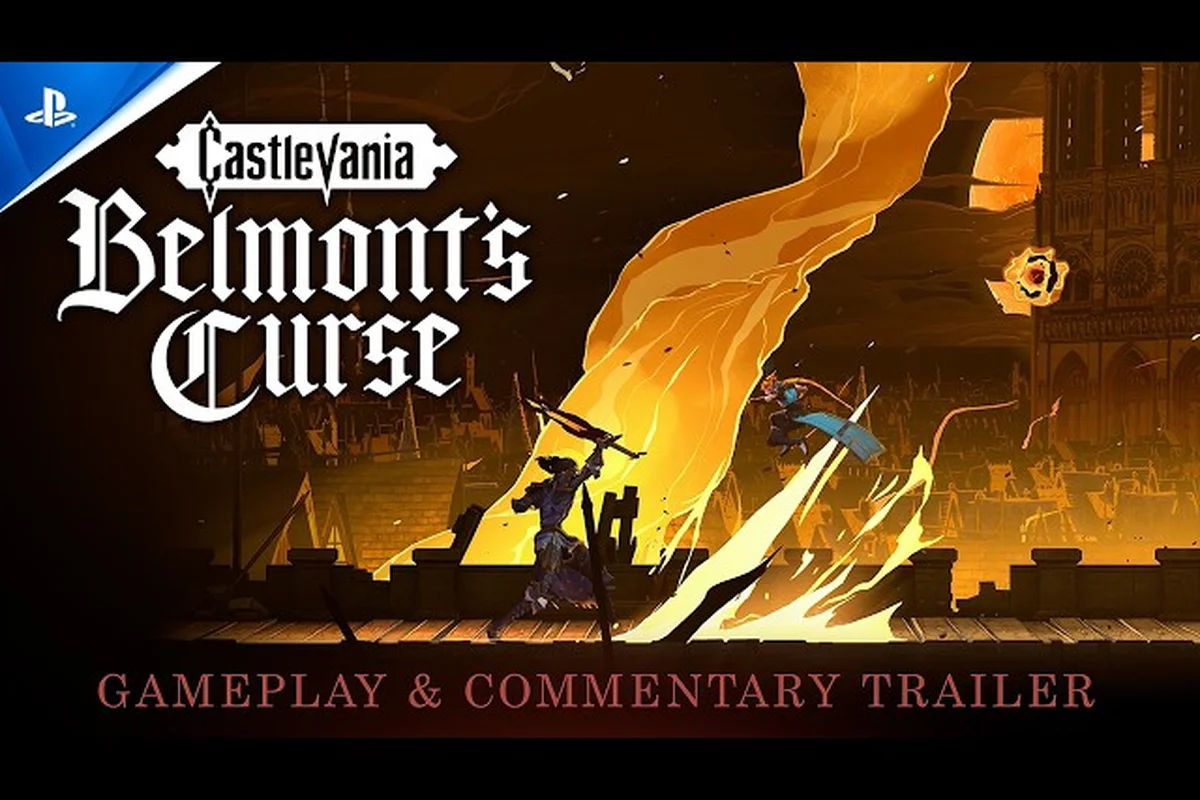
Castlevania: Belmont's Curse Arcana: Cards, List & Best Picks
Explore Castlevania: Belmont's Curse Arcana cards with a full list, tarot lore notes, and the best Arcana picks to shape Rose's combat build.
Castlevania: Belmont's Curse Best Arcana Combo: Top Seal Loadouts
Stack the Castlevania: Belmont's Curse best Arcana combo by ordering boss seals, mixing early and late-game cards, and chaining weapon rotations.
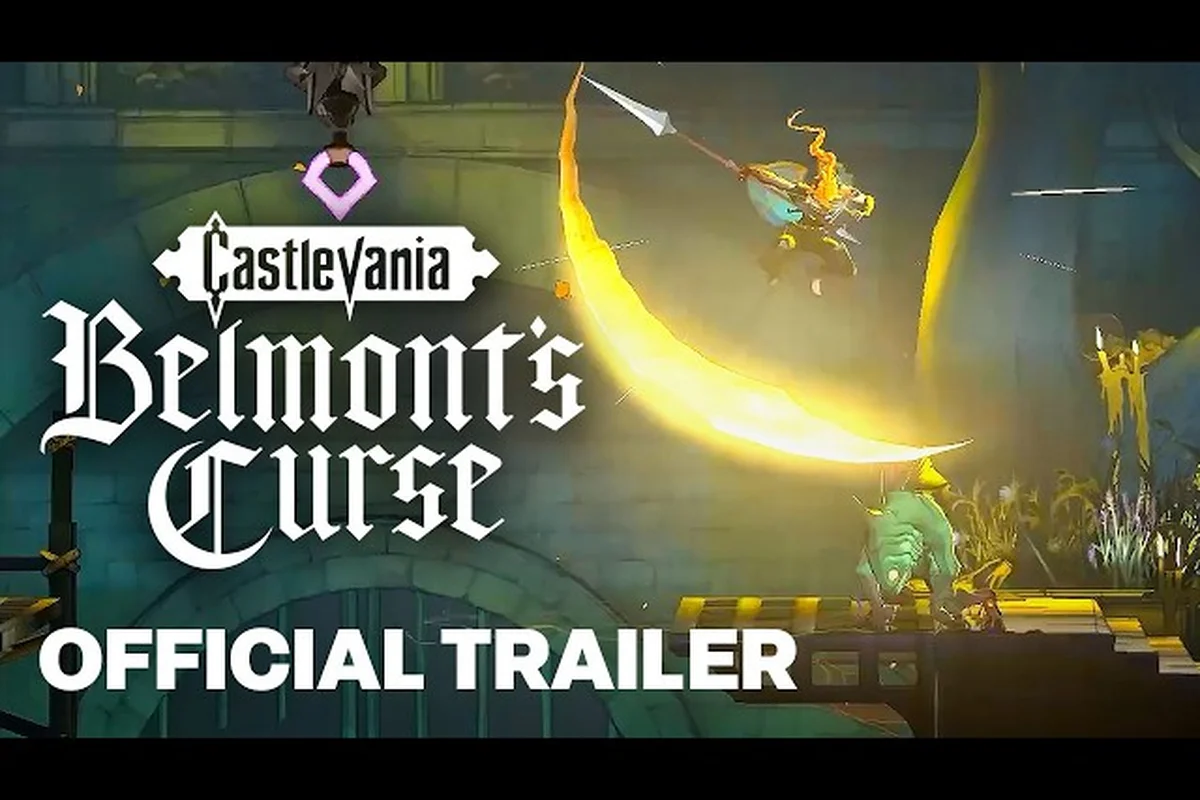
Castlevania: Belmont's Curse Boss Arcana: Tier List & Effects
Rank every Boss Arcana in Castlevania: Belmont's Curse with a tier list, effect breakdowns, loadout slots, and tips to seal the toughest fights.
All Articles
Castlevania: Belmont's Curse How Arcana Works: System Explained
Understand how Arcana works in Castlevania: Belmont's Curse — sealing bosses into tarot cards, stacking effects, swapping loadouts, and farming misses-proof unlocks.
Castlevania: Belmont's Curse Spells Guide: Arcana & Swaps
Master Castlevania: Belmont's Curse spells with every Arcana progression milestone, unique special move, swap timing, and unlock path for Rose's arsenal.
Castlevania: Belmont's Curse Arcana Combos Every Build Needs
Layer Castlevania: Belmont's Curse Arcana combos with weapon families, learn how to unlock and upgrade spells, and build synergistic special actions.